

Kitchen Gardening: A Step Towards a Healthier and Greener Life
Growing our own food may seem like a far-fetched goal in today’s fast-paced world, where the majority of us live in cities. However, even in small settings, that ideal can readily become a reality with kitchen gardening. Growing vegetables, herbs, and fruits at home—usually in tiny areas like balconies, terraces, backyards, or even windowsills—is referred to as kitchen gardening, or home gardening. In addition to bringing you closer to nature, this has many positive effects on the environment, your health, and your pocketbook.
This blog will discuss the value of kitchen gardening, how to get started, and successful maintenance techniques.
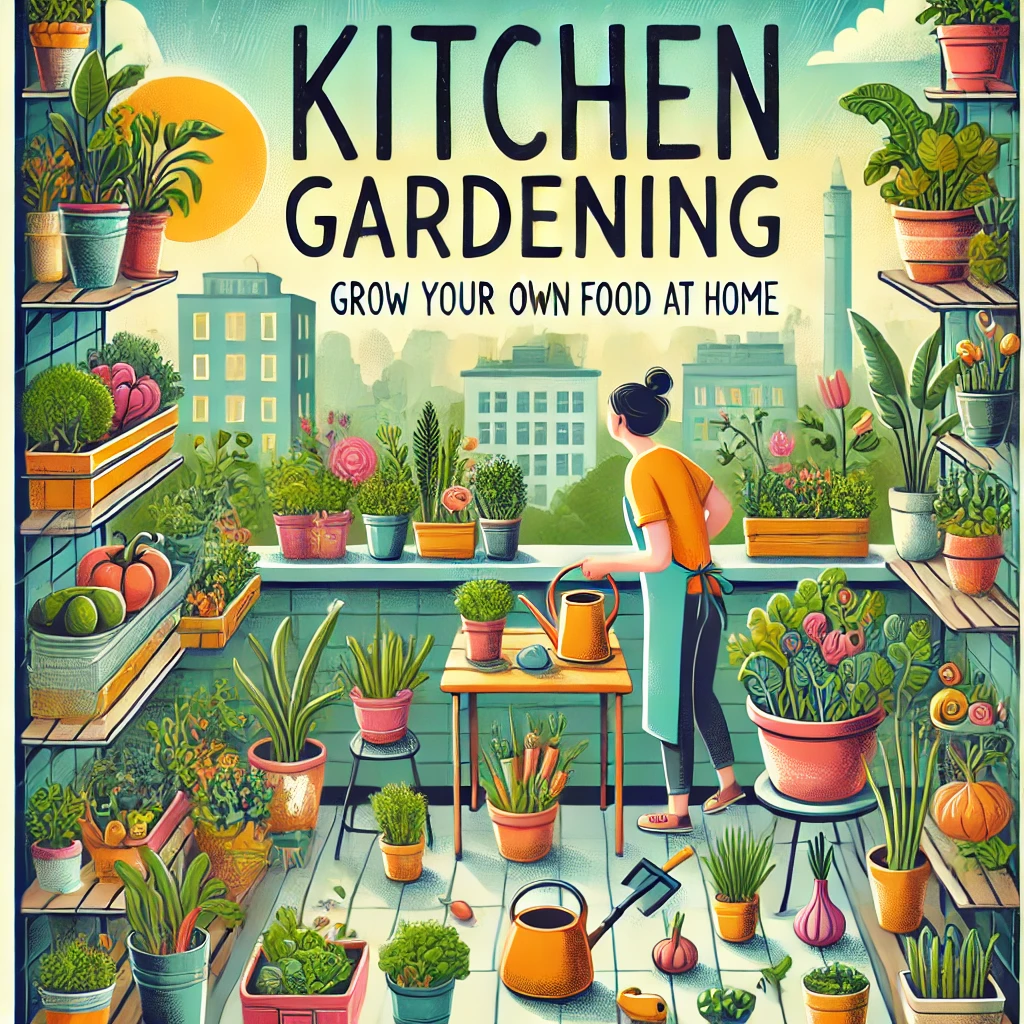
Why Kitchen Gardening?
1. Fresh and Organic Food
You may cultivate organic and chemical-free veggies and herbs with kitchen gardening. Homegrown vegetables are safer and healthier to eat than store-bought ones that might have been subjected to dangerous chemicals.
2. Saves Money
Your shopping bill will go down if you grow your own vegetables. Vegetables like tomatoes, spinach, and chilies, as well as herbs like mint, coriander, and basil, are simple to cultivate and can ultimately save you money.
3. Environmental Benefits
A greener atmosphere is a result of kitchen gardening. Air quality is improved by plants because they emit oxygen and absorb carbon dioxide. Additionally, you can reduce household waste and encourage sustainability by turning kitchen trash into organic fertilizers through composting.
4. Therapeutic Value
It has been shown that gardening provides therapeutic benefits, lowering anxiety and stress. Joy and a sense of accomplishment are brought about as a seed sprouts and develops into a plant.
How to Start a Kitchen Garden: Step-by-Step Guide
1. Choose the Right Space
Choose a location that gets four to six hours of sunlight each day. You can begin on a windowsill, balcony, or terrace if you don’t have a backyard. For everyday upkeep, make sure the space is easily accessible and has adequate ventilation.
2. Select Suitable Containers
Make use of grow bags, pots, containers, or even repurposed plastic bottles. In order to avoid waterlogging, make sure they have adequate drainage holes. Hanging baskets and vertical gardening are excellent options for small spaces.
3. Pick Easy-to-Grow Plants
Start with low-maintenance plants if you’re new to gardening, such as:
Herbs: Mint, Coriander, Basil, Parsley
Leafy Greens: Spinach, Lettuce, Fenugreek (Methi)
Vegetables: Tomatoes, Chilies, Brinjal, Radishes
You can also cultivate microgreens, which take very little room and develop swiftly.
4. Get Quality Soil and Compost
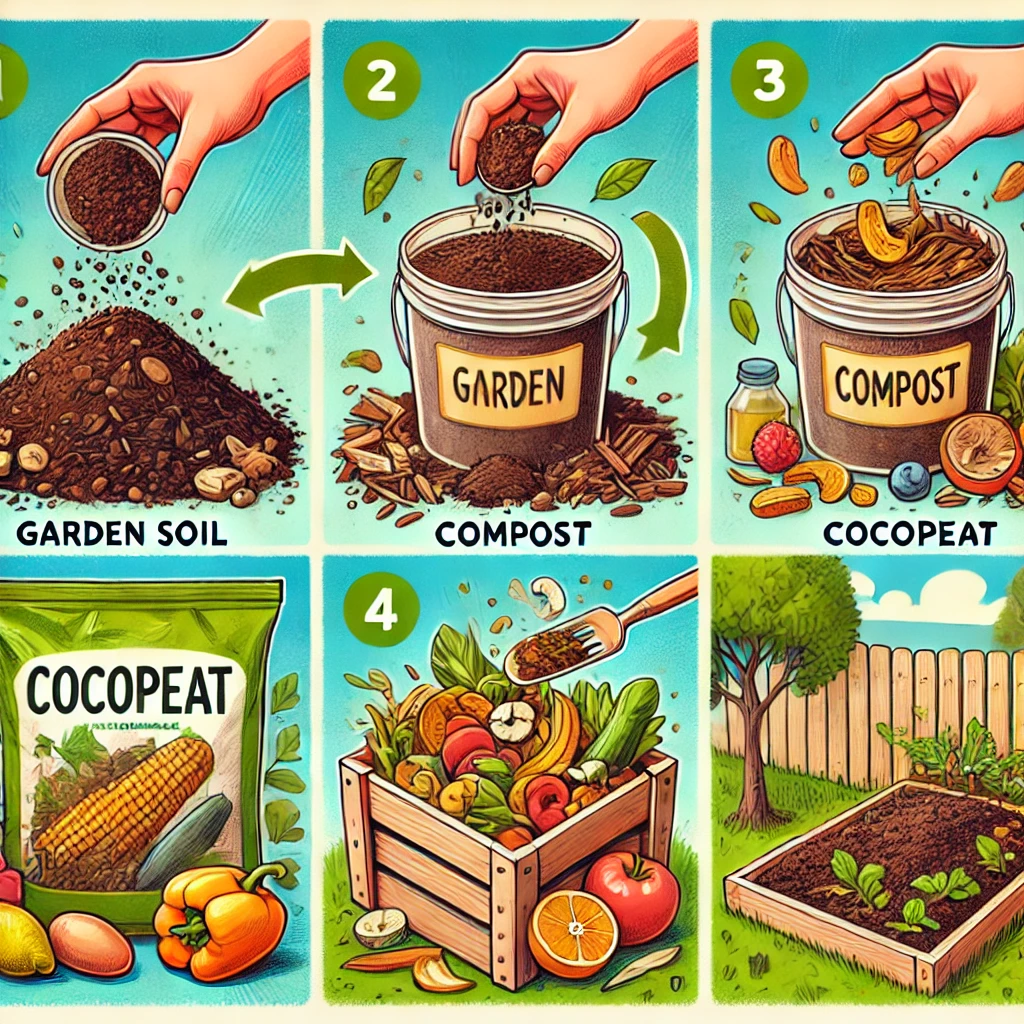
For optimal effects, combine garden soil, compost, and cocopeat. Cocopeat holds onto moisture, while compost adds vital nutrients to the soil. Compost can be made at home with dry leaves, fruit leftovers, and vegetable peels.
5. Planting and Sowing Seeds
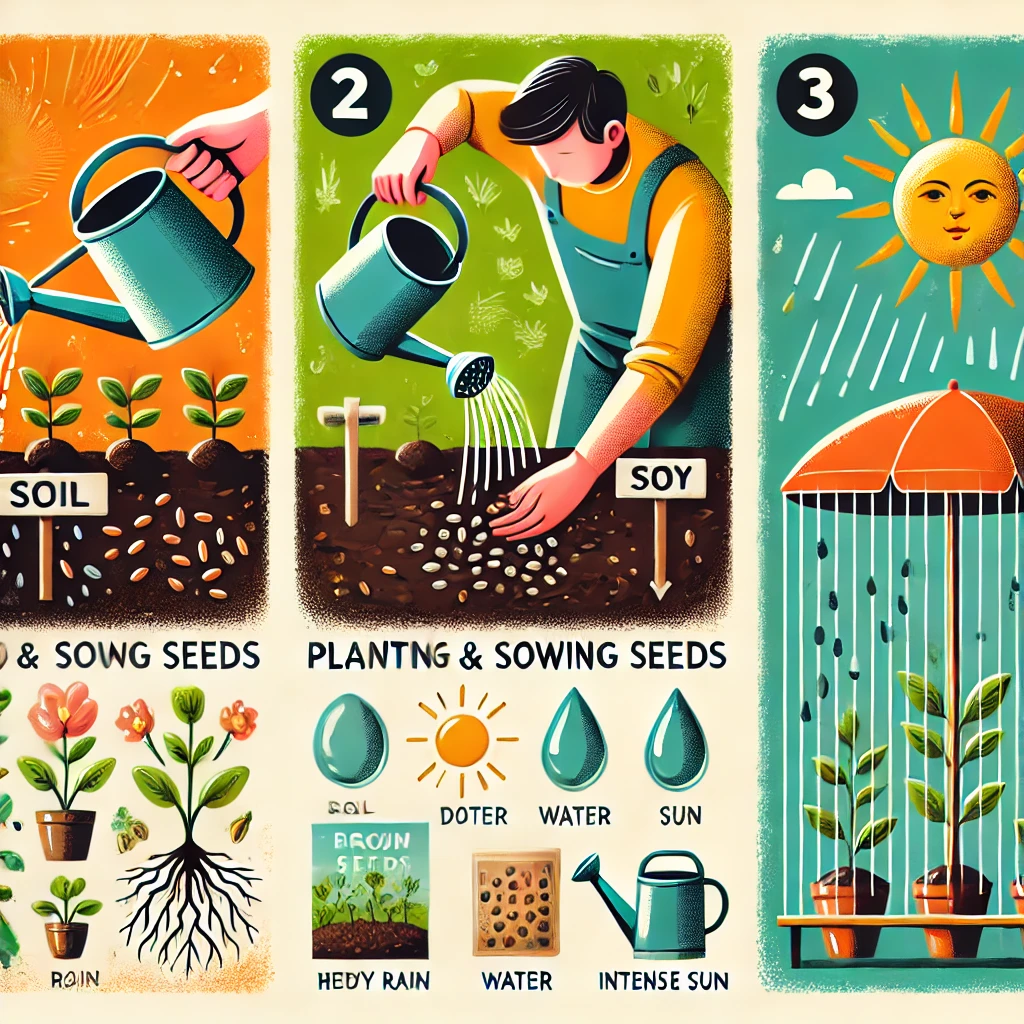
- Sow seeds according to the instructions on the seed packet (depth, spacing).
- Water gently and regularly, but avoid overwatering.
- Protect seeds from heavy rain or intense sun during germination.
Essential Tips for Maintaining a Kitchen Garden
1. Watering Wisely
To avoid evaporation, water plants in the early morning or late afternoon. Make sure the soil remains damp but not drenched. For people who are busy, self-watering pots are a good choice.
2. Regular Pruning and Harvesting
Dead leaves and stems should be pruned to promote strong growth. Frequent harvesting stimulates the plant to yield more. For instance, bushier growth is encouraged by pruning the leaves of mint or coriander.
3. Use Natural Fertilizers and Pesticides
Steer clear of chemical fertilizers. Use vermicompost, cow dung manure, or handmade compost instead. Plants are protected without suffering damage by natural pest repellents such as garlic-chili spray or neem oil spray.
4. Sunlight and Temperature Control
Ascertain that plants receive enough sunlight. Protect delicate plants with shade nets if the light is too intense, especially during the summer. Plants should be positioned for optimal sunlight during the winter.
5. Crop Rotation and Seasonal Planting
To keep the soil healthy, rotate your crops every so often. Grow warm-season vegetables (like peppers and tomatoes) in the summer and cool-season crops (like spinach and lettuce) in the winter.
Creative Ideas for Small Spaces
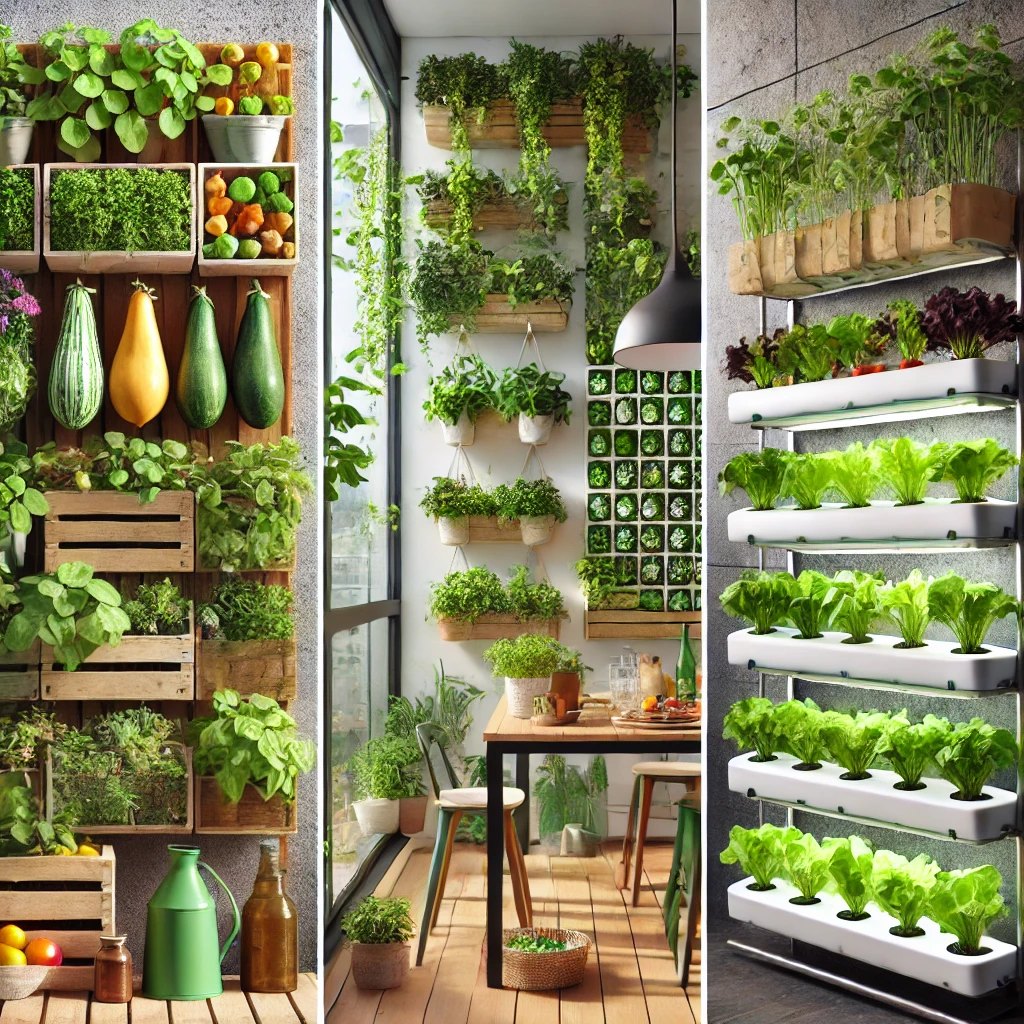
1. Vertical Gardening
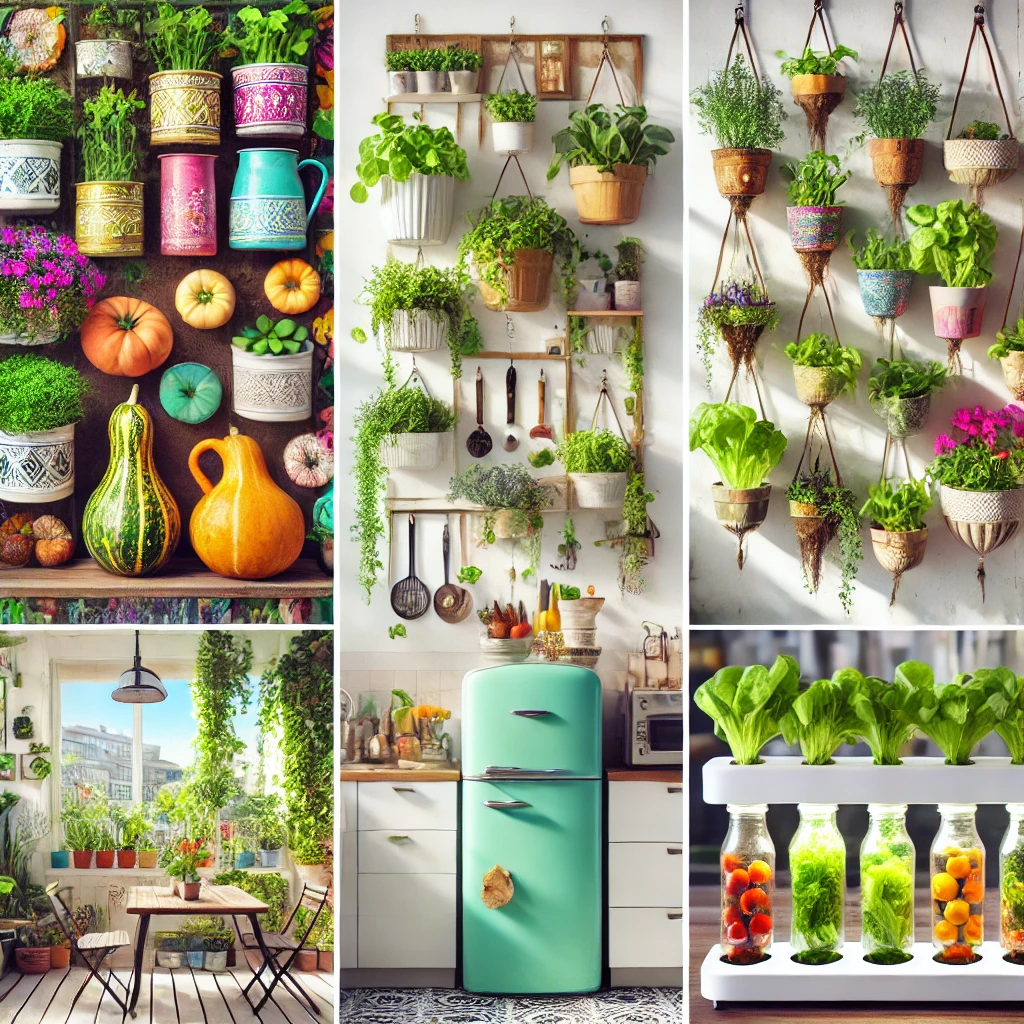
Use trellises, repurposed bottles, or wall planters to grow plants vertically. Superb for climbing gourds and beans etc.
2. Hanging Gardens
Grow herbs and small vegetables in hanging pots. ideal for terraces and balconies.
3. Hydroponic Kitchen Garden
Growing plants in nutrient-rich water without soil is an advanced solution for urban houses. Perfect for producing strawberries, basil, and lettuce.
Benefits of Kitchen Gardening for Children and Family
Teaching kids to garden can help them develop their love of the outdoors, patience, and responsibility. It is an amazing educational experience to watch a small seed develop into a productive plant. Because kids are more inclined to consume veggies they have grown themselves, it also promotes healthy eating habits.
The whole family may bond by spending time together in the garden, away from electronics and screens.
Final Thoughts: Grow Your Own Happiness!
Growing plants is only one aspect of kitchen gardening; another is fostering sustainability, happiness, and good health. There is always space for a garden, regardless of how big your backyard is or how small your balcony is.
Why wait, then? Get a pot, sow some seeds, and begin your path to a better, more environmentally friendly life right now!
FAQs About Kitchen Gardening
- Can I cultivate in my kitchen in an apartment?
Of course! Utilize grow bags, vertical planters, and pots on windowsills or balconies. - Q2. Which veggies are ideal for novice gardeners?
Growing and caring for spinach, mint, coriander, tomatoes, and chilies is simple. - Q3. What are the steps to manufacture compost at home?
Gather kitchen scraps such as eggshells, coffee grinds, and vegetable peels. Turn the mound every few days and add the dried leaves. You will get nutrient-rich compost in a few weeks. - Q4. How frequently should my kitchen garden be watered?
In the summer, water every day; in the winter, water every other day. Before watering, check the soil’s moisture content.